
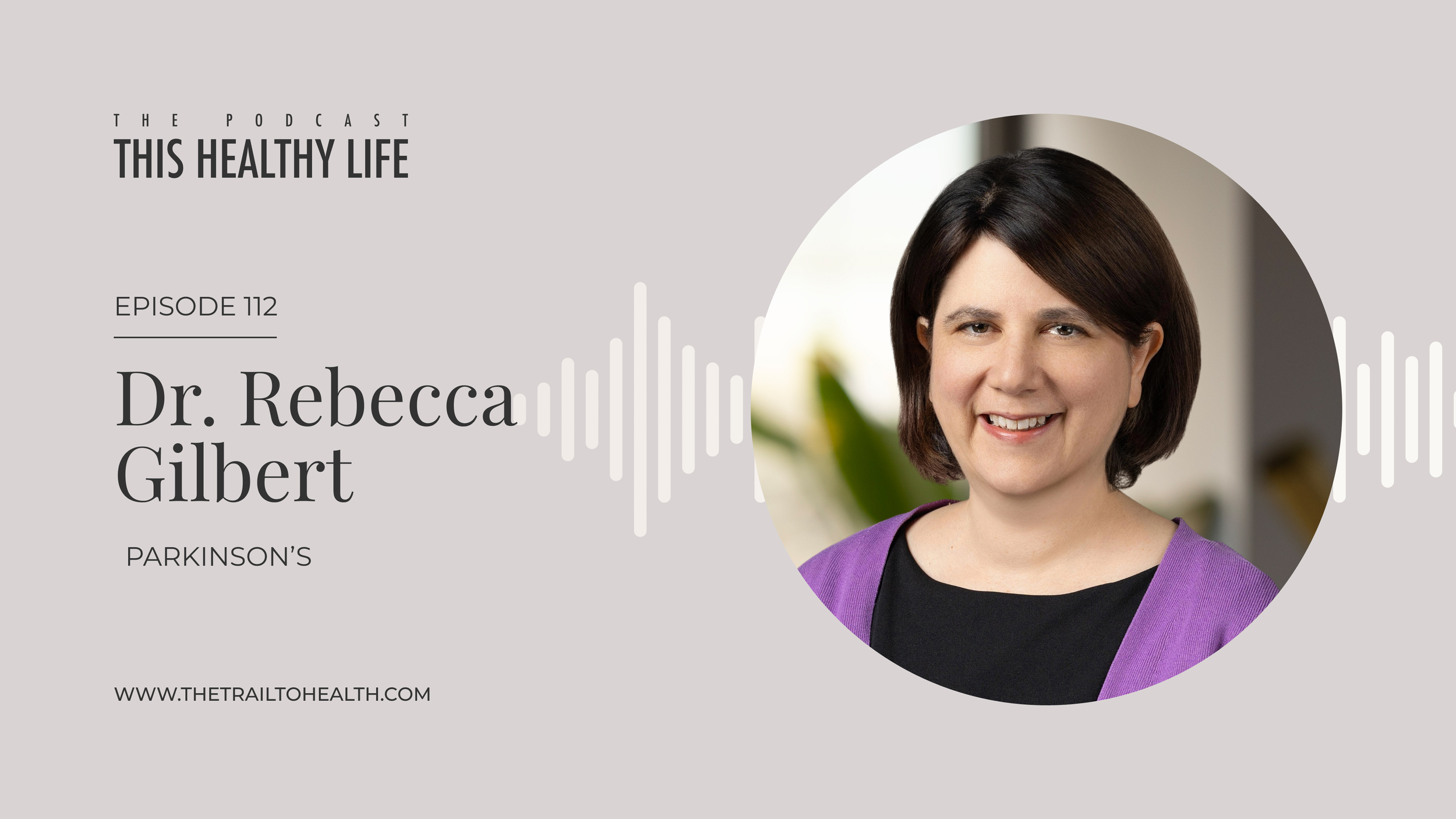

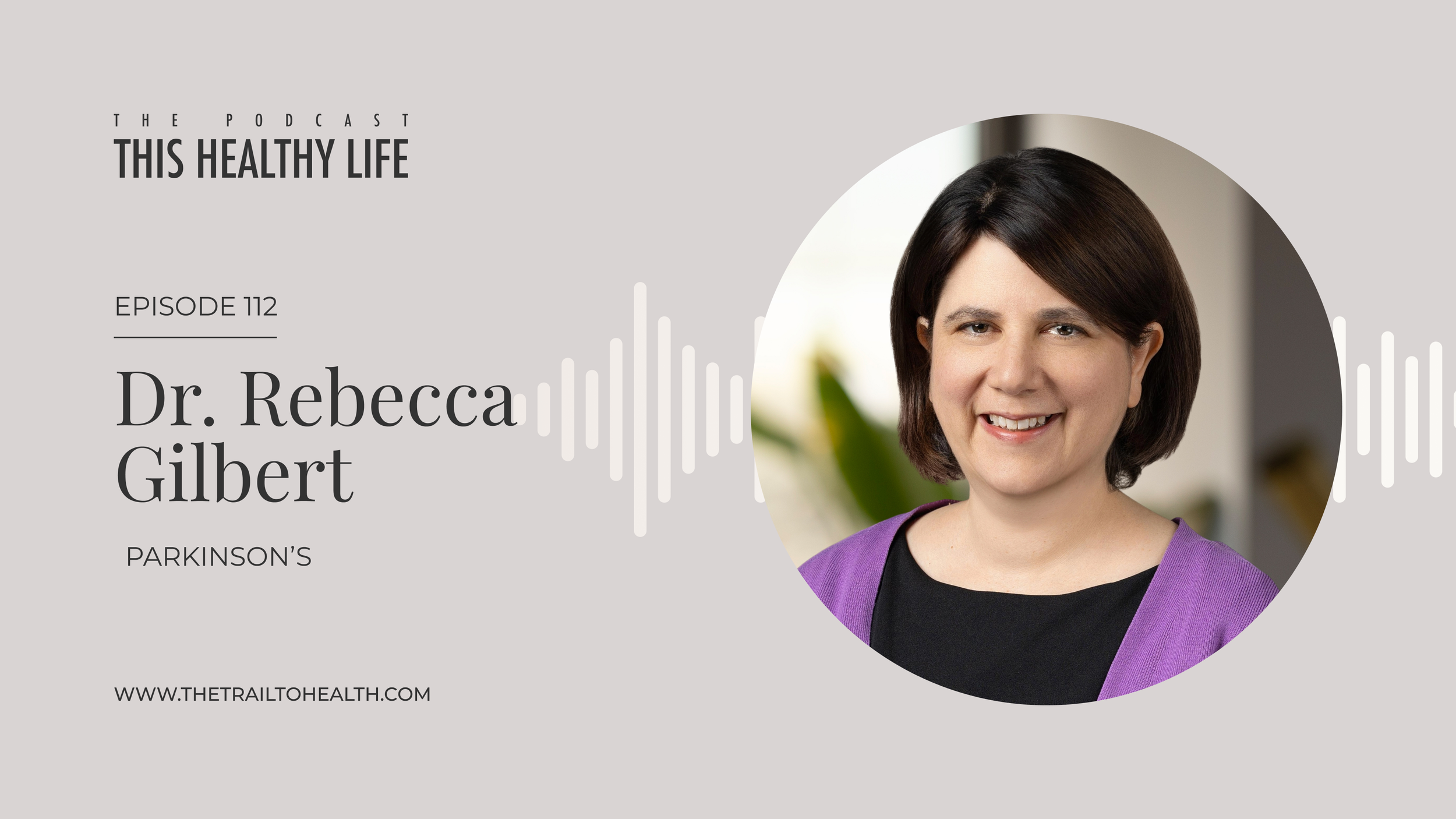
Episode 112 - Rebecca Miriam Gilbert MD - Parkinson’s Disease and the Environmental Factors Under Investigation
/
Listen To The Episode
Meet Rebecca Miriam Gilbert MD
Rebecca Gilbert, MD, PhD, is Chief Mission Officer at the American Parkinson Disease Association (APDA), where she leads mission strategy, oversees research, and guides educational programming. She earned her MD and PhD from Weill Cornell and completed her Neurology Residency and Movement Disorders Fellowship at Columbia Presbyterian. Before joining APDA, she was Associate Professor of Neurology at NYU Langone's Fresco Institute for Parkinson's and Movement Disorders.
What We Talk About
• What Parkinson's disease is and how it fits into the broader category of movement disorders
• The core motor symptoms: tremor, stiffness, slowness, and balance issues
• The non-motor symptoms and why they often go unrecognised, including mood changes, cognitive difficulties, sleep disruption, fatigue, and pain
• Age of onset and the reality of young onset Parkinson's, which can affect people in their 30s and 40s
• Early warning signs that are easy to miss, including loss of smell, constipation, and subtle asymmetric stiffness
• How Parkinson's is currently diagnosed through clinical neurological examination and the limitations of that approach
• Emerging biomarker testing (skin biopsy, DAT scan, lumbar puncture) and the push to diagnose earlier
• The role of genetics: the approximately 15 known gene variants and the 85% of risk still not fully understood
• Environmental contributors, including the herbicide Paraquat and the industrial solvent TCE, and why banning them has been slow
• The golf course proximity research and how cumulative risk works, using the "overflowing cup" model
• The connection between chronic infection, inflammation, and neurological disease, including alpha-synuclein accumulation and the role of neuroinflammation
• The gut-brain connection and the theory that Parkinson's may originate in the gut and travel to the brain via the vagus nerve
• Current treatment options including dopamine-based medications and deep brain stimulation surgery
• The critical importance of both structured exercise and general daily movement for people living with Parkinson's
• The Mediterranean diet's impact on Parkinson's progression, including research showing it delayed onset by up to 17 years in one study
• What is currently being researched, including neuroprotective treatments that could change disease trajectory rather than just manage symptoms
Episode Resources
Danger Coffee
Mold free coffee to reduce exposure in your morning cup. Use code TRAILTOHEALTH for 10% off.
https://shop.thetrailtohealth.com/dangercoffee
Viome
Parkinson's research points to the gut first. Viome tests your biology and builds supplements around it.
https://shop.thetrailtohealth.com/viome
Nikki
Combat sleep disruption, fatigue, and mood changes with a supportive, daily-wear wellness program that helps your body stay balanced. Code TRAILTOHEALTH saves 10%.
https://shop.thetrailtohealth.com/Nikki
AirDoctor
Filters out airborne chemicals and pollutants linked to environmental exposure.
https://shop.thetrailtohealth.com/AirDoctor
Leon & George
Plants are one of the simplest ways to clean the air in your home. Beautiful greenery delivered to your door. Code TRAILTOHEALTH saves 10%.
https://shop.thetrailtohealth.com/leonandgeorge
Connect With Rebecca Miriam Gilbert MD
Website:
https://www.apdaparkinson.org/
Instagram:
https://www.instagram.com/apdaparkinsons
Keywords
Parkinson's disease, movement disorders, neurology, APDA, neurologist, dopamine, alpha-synuclein, gut-brain connection, early diagnosis, Mediterranean diet, exercise, non-motor symptoms, toxic load