
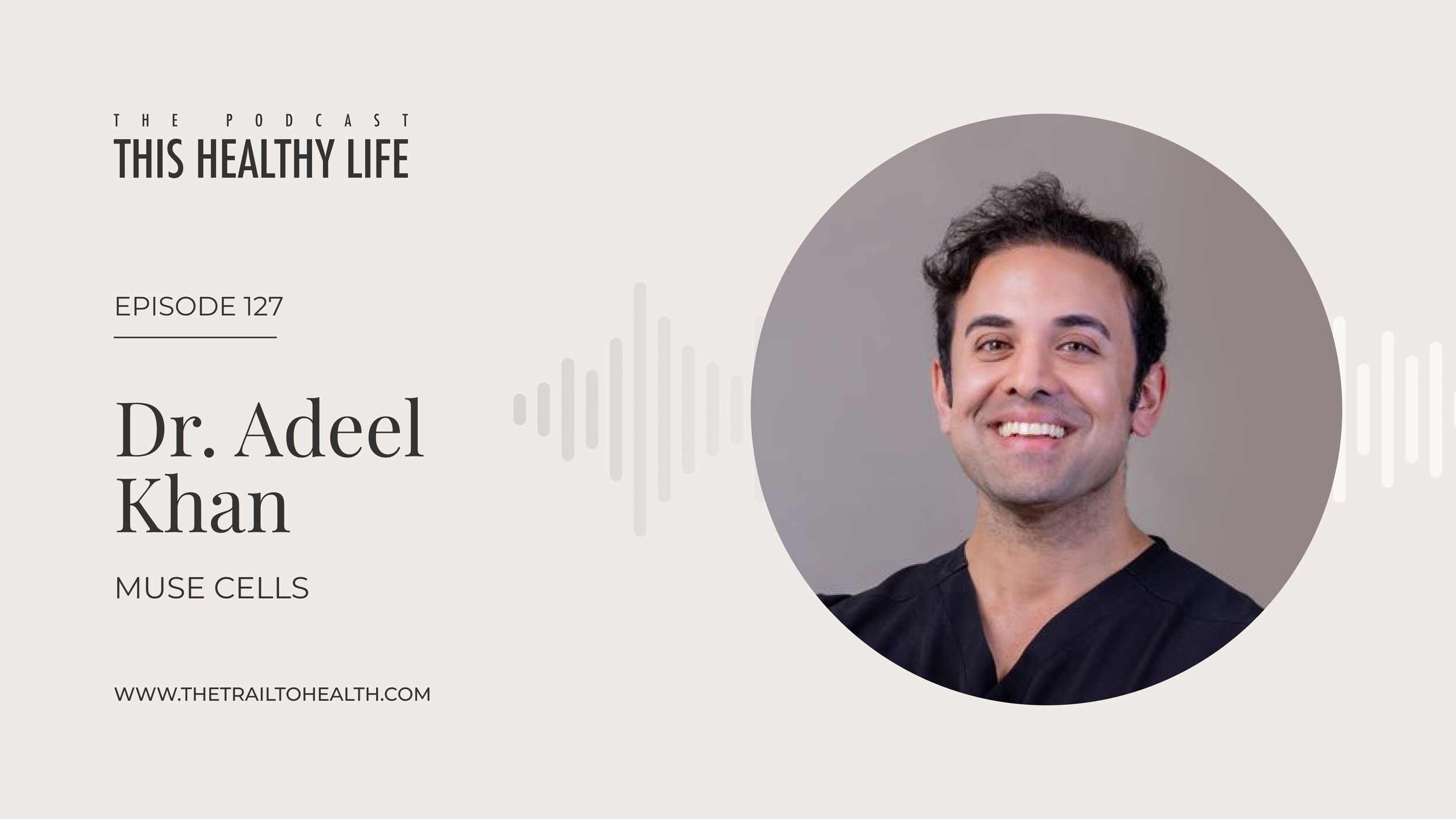

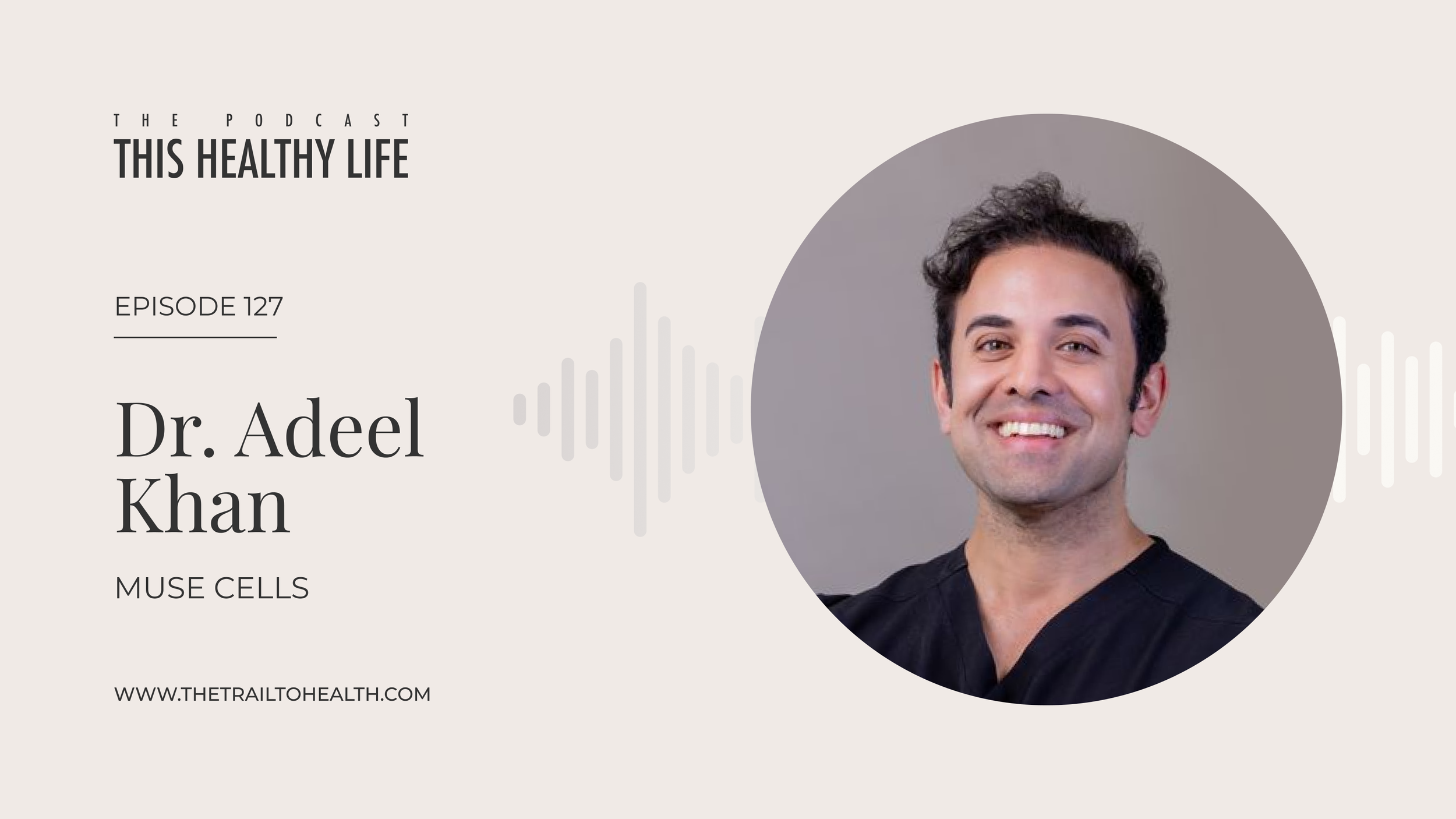
Episode 127 - Dr Adeel Khan - Beyond Stem Cells: Why MUSE Cells Could Change Regenerative Medicine
/
Listen To The Episode
Meet Dr Adeel Khan
MEET THE GUEST
Dr. Adeel Khan is a physician-scientist, regenerative medicine pioneer, and CEO & Co-founder of Eterna Health, where he's advancing the future of longevity and cell-based therapies. His work has helped shape the field of regenerative medicine, and he has treated everyone from elite athletes and business leaders to complex chronic illness patients. Passionate about challenging conventional medicine, Dr. Khan is dedicated to developing innovative therapies that help people heal, perform better, and live longer.
What We Talk About
• Dr. Adeel Khan is a sports medicine doctor who became focused on regenerative medicine through PRP and stem-cell research.
• His goal is to help restore the body to a healthier, more youthful state.
• Mesenchymal “stem cells” are better described as medicinal signaling cells.
• These cells can reduce inflammation and support healing.
• Muse cells are a rare type of mesenchymal cell, making up about 1–2% of the population.
• Muse cells may offer pluripotent-like regenerative potential without the same tumor concerns associated with iPSCs.
• They may help repair damaged tissue and develop into different cell types.
• Muse cells are less widely used because they are rare and harder to isolate.
• Business interests, patents, and manufacturing costs may also affect which therapies clinics offer.
• Muse cells can come from bone marrow or fat tissue.
• Fat-derived Muse cells may have stronger immune-regulating effects.
• Bone-marrow Muse cells currently have more established clinical research.
• Fat-derived Muse cells are easier and less costly to produce because they do not require the same expansion process.
• Excessive cell expansion may increase DNA damage, making cell quality and processing important.
• For autoimmune conditions, Muse cells may help reset the immune system and potentially produce long-term remission.
• For degenerative conditions such as Parkinson’s and aging, repeat treatments may be needed as degeneration continues.
• Dr. Khan says the effects of treatment may decline after approximately 6–12 months.
• Younger people may benefit more from using their own cells, while donor cells avoid the need for harvesting.
• Banking cells while young could preserve youthful cellular characteristics for future treatments.
• Successful regenerative therapy also depends on optimizing sleep, exercise, nutrition, hormones, inflammation, metabolism, gut health, genomics, and proteomics.
Episode Resources
Healthgevity Peptides
Peptide therapy designed to support cellular repair, recovery, and healthy aging.
https://shop.thetrailtohealth.com/Healthgevity
StemRegen
A daily supplement designed to support your body's natural stem cell activity.
https://shop.thetrailtohealth.com/StemRegen
Genopalate
DNA-based nutrition test that personalizes your diet based on your genetics. Save $10 with code TRAILTOHEALTH.
https://shop.thetrailtohealth.com/genopalate
Therasage
Support recovery and relaxation with targeted light therapy. Save 10% with code TRAILTOHEALTH.
https://shop.thetrailtohealth.com/therasage
Oura Ring
A smart ring that tracks sleep, recovery, and readiness to optimize your body's healing potential.
https://shop.thetrailtohealth.com/OuraRing
Connect With Dr Adeel Khan
Website:
http://eterna.health
Instagram:
https://www.instagram.com/dr.akhan
Facebook:
https://www.facebook.com/dr.akhanofficial
YouTube:
https://www.youtube.com/@theregendoc
Keywords
Muse cells, stem cell therapy, regenerative medicine, mesenchymal stem cells, PRP, stem cell banking, anti-aging, Parkinson's treatment, autoimmune healing, longevity